Things
to see in and near San Casciano
San Casciano Museum of Sacred Arts
The museum is located in the Church of Santa Maria del Gesù and there are numerous important works of art and objects of worship from isolated churches of the surrounding area, which were either
abandoned or destroyed. Works by Coppo di Marcovaldo, A. Lorenzetti, L. Benivieni, Neri di Bicci.
Click here for more details of the art displayed in the Museum.
The Church of Santa Maria del Prato (della Misericordia)
This church was built in 1304 and, despite transformations in 1600, still maintains its original Gothic appearance.
Inside one of the most substantial artistic patrimonies of the Florentine
province is on display: a Crucifix with a 14th century gold background by Simone Martini, the pulpit by Giovanni di Balduccio and 17
C paintings.
The Collegiate Church of San Casciano
The collegiate church of San Casciano was rebuilt between 1793 and 1796 on the site of a smaller 13
C church. It contains an Annunciation by Frà Paolino from Pistoia and beautiful crucifixes from the studios of Verrocchio and Baccio da
Montelupo.
The Church of the Cross and Convent of San Francesco
The church contains a valuable Madonna with St. Mary Magdalene and St. Francis by Biagio d’Antonio from the end of the 15
C and a 14 C crucifix. The convent of the Franciscan Monks was built by Girolamo Castrucci, citizen of San Casciano, in 1492. The portico
dates from 1749. Today
the church is a monastery of the Clarisse nuns. There is a Last Supper
dated 1562 by L. Cresci in the refectory.
The Church of the Cappuccini and Convent of Sant'Andrea Corsini
It is located on the left side of the road connecting
San Casciano
to the hamlet of
Mercatale. It is a simple building with a single nave, with a glazed terracotta apse depicting the Adoration of the Child by Andrea della Robbia. The convent, also simple and austere, is dedicated to Sant’Andrea Corsini and
dates from the mid 1600’s.
The castellane walls and the panoramic terrace gardens of Piazza della
Repubblica
Built in 1354 and 1356 by the Florentine Republic to strengthen this area on the way to
Siena, it had crenellated towers and four gates at the cardinal points. The
Porta al Prato gate, the small tower and long tracts of walls remain today.
Tradition suggests that the most ancient parish church of the area was built in 774. The first written documents date back to the 11
C. The church underwent a transformation in the 18th century. It has a three-nave basilica plan and a 14
C bell tower.
The exterior of the church has the typical rustic romanesque stone facade. The interior was renovated in the 16
C. There is an altar piece in glazed terracotta attributed to Giovanni della Robbia and a Renaissance cloister with a double loggia.
Even if it has been changed over the centuries, the church still demonstrates its
romanesque origin. The interior has three naves on quadrangular pillars and arches. The upper part of the facade is originally from the Middle Ages.
This house was built as a country home for the Machiavelli family in the
13 C and was restored and renovated at the beginning of the 16 C. The villa was a
country retreat and later the place of exile of Niccolò Machiavelli. The
Machiavelli family were also the owners of the nearby Castello di Bibbione
and the Villa Poggio Torselli.
Visits by appointment Wednesday through Sunday.
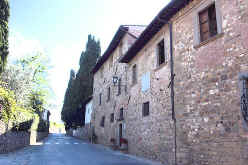
Albergaccio Machiavelli
Formerly the property of the Buondelmonti family and the Machiavelli family, today it is owned by Rangoni Machiavelli. We have had information about this castle since 960. On the exterior, the building demonstrates its imposing character, halfway between a fort and a
16 C lord’s country residence.
Visits by appointment February through June and September through November. Hours 10:00 – 12:30
Castle
Bibbione
A magnificent building by Santi di Tito of the end of the
16 C with a square plan dominated by two tall towers on the facade, built on a pre-existing
mediaeval nucleus. It has belonged to the Corsini family since 1427.
Visits during the exhibitions: Alla Corte del Vino, Chiantilife, Giardini in Fiera and Antiquariato a Villa Le
Corti. More
about Villa Le Corti
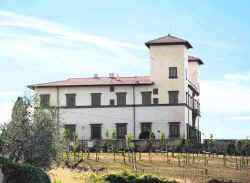
Villa
le Corti
This splendid 15 C villa once belonged to the
Machiavelli family. The Villa Poggio Torselli consists of a large
rectangular structure with two wings which house service areas. The
inner courtyard is no longer present, having been replaced by a salon
which occupies the central part of the building. The famous garden of
Villa Poggio Torselli probably dates from the late 17 C, and consists of
an italianate garden divided into two terraces to the south and an
English park area in to the north. In the upper terrace on the south
side, the original arrangement with flower beds has been preserved along
with a very ingenious irrigation system, one of the best preserved of
Tuscany. More about
Villa Poggio Torselli.
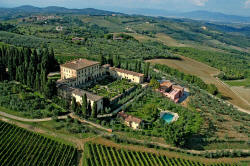
Villa Poggio Torselli
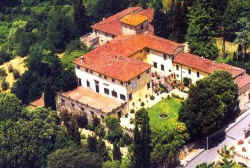
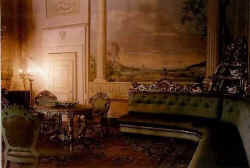
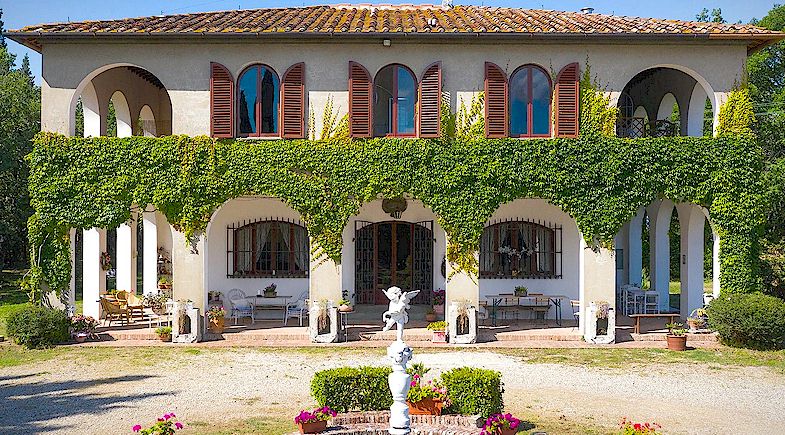
The villa originally belonged to the Borromeo family and passed along to the Capponi family during the 1700’s. It has a
15 C plan and the entrance is a stairway and large terrace. The main facade has three arches – today
bricked up, with one containing the entrance to the restaurant.
Visits Saturdays and Sundays
Hours 3:30 – 6:00 pm.
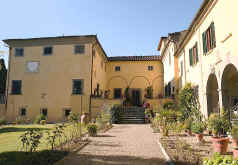
Villa Borromeo
 |
 |
|
Villa Borromeo
|
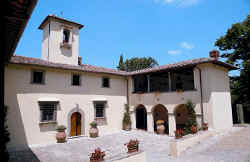
Cited in 1057. The belvedere is located on the hill of Montefolchi. Two wings which form a courtyard on three sides have been added to the original rectangular building with
its tower.
Visits by appointment.
Villa Belvedere (Roncognano)
|
)

)
)
)
)
)
)
)
)
)
